15 Trends for Fall & Winter 2017

I’ve worked through most of the Ready-to-Wear shows for Fall 2017, pinning directional looks along the way. There was quite a lot of fashion coming down the runway that I did not like, which is unusual. Overwhelming silhouettes, hectic slouch and extended sleeves look tired to my eye, as do deliberately unkempt models, and seasonally confused outfits that remix sandals with Winter woollies. That said, I’m pleased to see that Maximalism and Individualism reign supreme. Fads are a thing of the past, and fashion is more diverse than ever. 


My favourite collections were: Bally, Brunello Cucinelli, Daks, J.Crew, Sandro, Tibi, Theory, Tracy Reese, Victoria Beckham, and Vetements (for model diversity).

Five things stood out as I browsed the shows:

  • Absence of Athleisure
  • Absence of grey  
  • Ample fluidity 
  • Outfit creativity 
  • Trend diversity 

On to the trends.

1. Individualism

Fashion has become a melting pot of sartorial choices, and there is no one way to be stylish. Increasing diversity in fashion with each passing year means that there is something for everyone. Take the PERSONAL in personal style to heart, because you have the power to pick and choose from the trend buffet, and sport it your way. 


2. Maximalism

Maximalism means wearing it all together to create a harmonized whole. Think of wearing complex silhouettes, combining them in one outfit, layering all sorts of pieces to create interesting proportions, accessorizing to your limit, pattern mixing, texture mixing, patchwork, embellishment, remixing high-contrast colours and clashing colours, wearing statement make-up, and adding nail polish and rainbow hair. Think drama, not subtlety. 

Remember that Maximalism runs on a continuum, and you’re free to interpret it as fully as you see it on the catwalks, or tone things down considerably to create a minimally maximal look. Have fun exploring new possibilities and by all means “wear the kitchen sink” if that makes you happy. The only limit to the Maximalism trend is your own tolerance for it.  

3. Tall Boots

As far as “hot off the press” trends go, booties are taking a back seat. There were MANY styles of tall boots on the runways, and most collections showcased them. Dressy and casual knee-high lengths in an assortment of colours and neutrals were ubiquitous, and combined with dresses, skirts, cropped pants, skinnies and straight legs. This was the biggest change in runway fashion, and quite a welcome one, despite the fact that tall boots are harder to fit than booties. 

4. Full-Length Trousers & Jeans

The cropped pants trend — which has held strong for five seasons — now has major competition as full-length jeans and trousers make a comeback. And I mean floor-scraping lengths with lots of scrunch. Silhouettes were predominantly wide leg and bootcut, which is impractical for Winter. But scrunched tapered legs were equally popular. 

The full-length, tailored straight leg with scrunch on the hem is my pick for new trouser and jeans silhouette. Easy to combine in outfits, good with an assortment of footwear, and practical in dodgy weather.

5. Dresses & Skirts

There were a plethora of dresses and skirts on the runways, many of which were midi length styled with tall boots. Most of the fabrics were soft and drapey, and the silhouettes fluid, semi-structured or tailored. Dresses and skirts were layered with all sorts of cardigans, jackets, coats and scarves, and some worn over pants. Let’s hope that knee-covering dresses with sleeves that are not poolside maxis make it to retail this season. 

6. Earth Tones

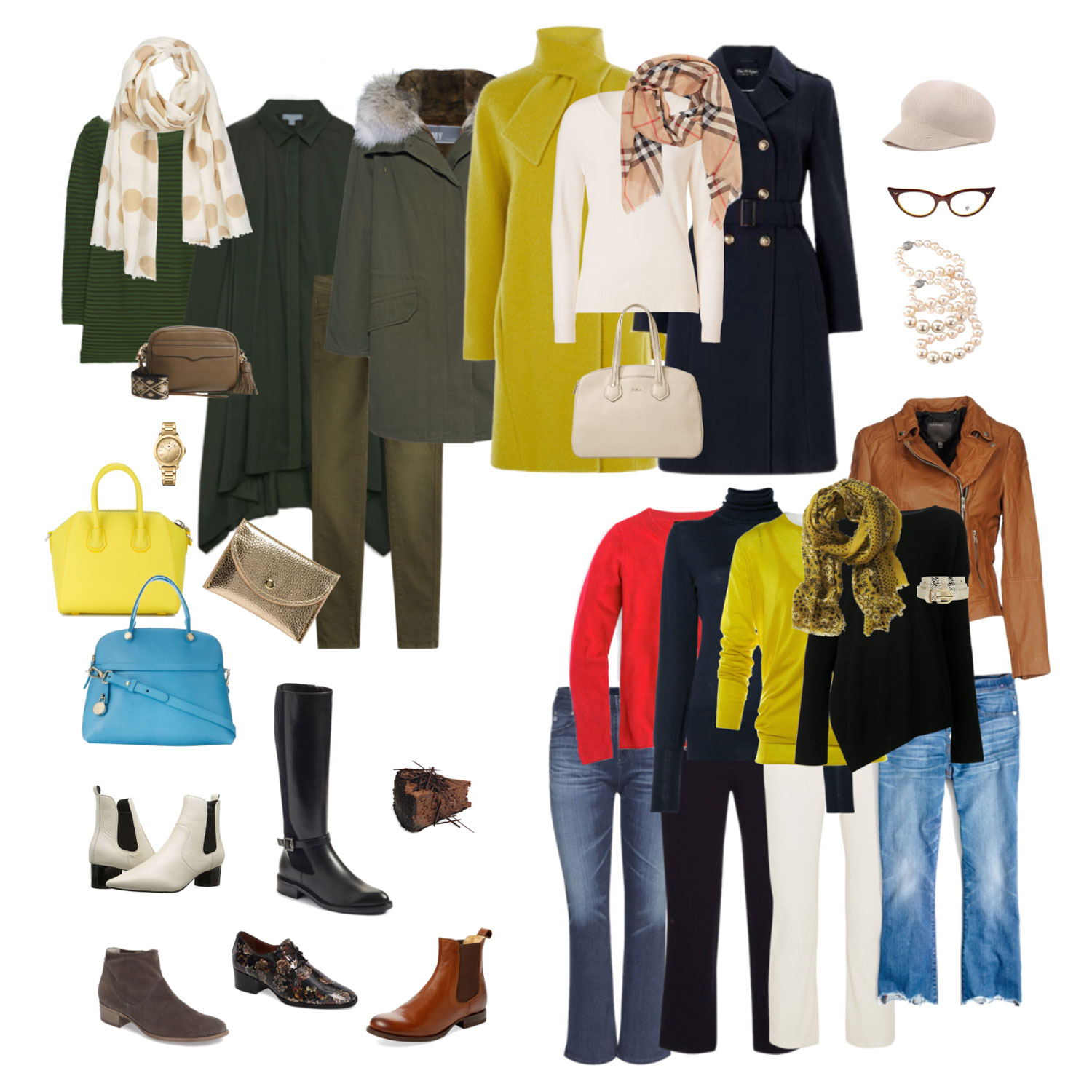
You’ll see most colours represented on the runways, but some are simply more popular than others. This time round, earth tones are having their moment. Think shades or toffee, cinnamon, burgundy, bordeaux, cream, brown, forest green, sage green, mustard, olive, khaki, tan, chartreuse, shades of orange, animal print, and dirty shades of blue. Jewel tones like peacock teals and purples were popular too. 

7. Sneakers

As I’ve mentioned before, sneakers and sneaker hybrids are the shoes of our fashion era. Fashion sneakers are combined with just about any outfit these days, and there is no stopping the trend on the catwalks. 

8. Waist Definition With Belting

There was an incredible amount of waist definition coming down the runway. AGAIN. For the most part it was created by belts that cinched at the waist, as opposed to garment tailoring with seam and dart detailing. That said, there were just as many tailored coats and jackets, as there were cocoon and oversized silhouettes. If waist definition is not your thing, allow garments to hint at a waistline for a bit of structure. I hope that retail takes this trend to heart because there is only so much slouch that we can take. I vote bring back the tailoring. 

9. Modern Retro

Modern Retro means that you’re incorporating a style, trend or design from a bygone era AND adding a good dose of modern to the look. Retro items are not vintage items that actually come from that era.

ANY retro look is on trend at this point, especially if the silhouettes resemble the ‘60s, ‘70s, ‘80s and ‘90s. The catwalks are full of design detailing from these fashion eras, which I personally enjoy seeing. Mod styles, Mary Janes and tapered ankle pants from the ‘60s. Boho chic, ruffles, flares, disco, faux fur, and glam looks from the ‘70s. Sharp shoulders, oversized tops, colour blocking, lace, high waistlines, shuffle socks, skinnies, pleated pants and waist definition from the ‘80s. Longer length blazers, coats and dresses, military boots, body-con tops, round specs and deconstructed denim from the ‘90s. 

10. Renaissance

Think velvet, brocade, lace and jacquard across all wardrobe items, and wear them together for maximal effect. Feel free to wear a corset too. The dandy style of the New Romantics in the ‘80s is great inspiration. 

11. Pantsuits

Almost all collections included pantsuits in some way. Some of them were beautifully tailored, looking elegant and feminine. Others were slouchy, edgy and Tomboy. Some had sharp ‘80s shoulders with long blazers. Others had short jackets. Lots of colours, patterns and fabrics were represented. The trend could come in handy for dressy attire when you don’t feel like wearing a dress or skirt. Or if you want to simplify your workwear options. 

12. English Countryside

This included all sorts of earthy tweeds and plaids in separates likes blazers, skirts, waistcoats and trousers. Also: suede elbow patches, body warmers, corduroy bottoms, cravats, anoraks, pullovers worn over shirts and blouses, and riding boots worn over skinnies. Think dressy or casual equestrian, and you’re good to go. 

13. Gothic Romance

Head-to-toe black with LOTS of texture and garment interest is strong. Interpret this trend in a maximal way for a fresh approach. For example, remix black wool, faux fur, lace, brocade and leather in one outfit. 

14. Flats, Low Heels and ALL Toe Shapes

Designers made a statement with dressy and casual flat footwear (in which I include heels up to the height of an inch.) ALL toe shapes are popular. Pointy, square, round, snip toe, and round square toe boxes were shown. ALL heel shapes are making a fashionable appearance. Stilettos, platforms, block heels, stacked heels, wedges and kitten heels. Dainty and refined footwear is as trendy as chunky silhouettes. These days, it’s hard to find a dated style of footwear, although you should pander to your sartorial preferences and look for something “new-for-you” if shoes are your thing.  

15. ALL Rise Lengths

This trend goes hand in hand with Modern Retro since I saw it ALL on the catwalks. Lots of high waistlines from the ‘60s and ‘80s. Lots of low and mid rises from the ‘70s and ‘90s. Lots of bottoms had ample width in the legs. Some were tailored at the hip and flared at the hem, while others were straight and skinny. Some styles had Tomboy slouch.  

Before you process the trends, remember that: 

  • There is no such thing as a dated colour if you wear it with panache. Your colours are always in style.  
  • It takes years for runway trends to have an impact on retail, which means that fashion does not change overnight. 
  • Some trends do not make an impact on retail at all, or stay fringe at best. 
  • Mainstream trends last between 5 to 15 years. Some longer. Some vibes never go out of style, but a current version of the look in modern fabric is important. Vintage items can work when they’re combined with a good dose of Modern. 
  • Consumers keep trends alive, not designers and fashion houses. Retailers will continue to stock a trend if they know they can sell it. For example, designers might want to call it quits on the Athleisure trend, but the look makes a fortune for retailers who are in business to make a profit. They won’t stop supplying a look if you keep on buying it. Athleisure is a very popular way of dressing casually in America and Canada, and it will not disappear from retail. 

Personally, I’m excited about maximalism, individualism, tall boots, full-length bottoms, some earth tones, English Countryside, Modern Retro, low block heels, and if we actually get them at retail – midi dresses.

Filter through the trends. Keep the ones that tickle your fancy on your radar and leave the rest. Don’t stop rocking your signature looks, but DO try something new. The “personal” in personal style means styling the trends your way, which is the best part in all of this. Feel refreshed and empowered as the new season unfolds.

SANDY LIANG Ines Shearling-lined Suede JacketPETAR PETROV Hano Wool and Silk-blend Slim-leg Pants

BOTTEGA VENETA Patent-leather JacketCHLOE Wool Bomber Jacket

HAIDER ACKERMANN Kuiper Asymmetric Satin Midi DressBELLA FREUD Hallelujah Baby Intarsia Wool Sweater

Save

Save

Save

Save

Save

Save

Save

Save

Save

Save

Save

Save

Save

Save

Save

Ensemble: Summer Dress & Flats

I recently spent a week in the Netherlands visiting my Dad in his home towns of Velp and Arnhem. The style on the street was Comfy Casual Chic. Most people commute on bike or on foot so shoes are extremely practical. Clothing fits are tailored at best but fluidity reigned supreme. Not many oversized silhouettes. 

The first part of my trip was warmer than expected and reflected in the street style. Many women wore dresses with flats. Some styles were dressier than others. Lengths ranged from mini to midi, but knee-length was most common. No maxis. Some women wore dresses as tunics over cropped straights, which was elegant. All sleeve lengths were represented. The occasional need for a topper was usually a denim jacket or lightweight cotton bomber.

Patterns were as popular as solids, and across all sorts of colours and neutrals except for black. Dark blue, denim, tan, olive, light blue and white were popular neutrals. Fabrics were cotton, linen, silk and polyester. Sheaths, shifts and straight shirt dresses with high-low hemlines were everywhere. Fit-and-flares, and tiered boho frocks were less popular. Footwear ranged from flat sandals, gladiators and low-heeled wedges, to ballet flats, loafers, flat oxfords, Birkenstocks, flat booties, Toms, and fashion sneakers (both slip-on and lace-up). No flip-flops and very few heeled pumps. I was surprised at the abundance of classic ballet flats, which made we want a pair next Summer.

The most popular bag on the street was the small crossbody, probably because it’s easy to ride a bike with one. The dressy version with glitzy chain handle shoulder strap was carried by women across all ages and especially in a Sporty Luxe way (with sneakers).

For the last few weeks of Summer, join me in wearing the heck out of your dresses, and especially with flats and low heels up to an inch and a half. Here’s some visual inspiration to get you started. Add jewellery, eyewear, headgear, scarves and watch as desired.

Ensemble: Summer Dress & Flats

Save

Save

Save

Save

Save

Save

Save

Solutions for Foot Issues

Many of my clients are picky about their footwear in order to ensure foot comfort. Their ages range from 30 to 80 and their foot issues run the gamut. From bunions, hammer toes and foot bones that are prone to blistering, to plantar fasciitis, arch pain, burning balls of the feet, Raynaud’s and ultra narrow heels that slip out of shoes. Some have extremely high insteps and arches that make footwear hard to fit. Some have pinky toes that slip out of sandals. Some need footwear that is wider than a size WW, which makes dressy shoes a very tall order. And some need to fit custom-made orthotics into their shoes. 

I GET IT.

Count me in as someone who finds it hard to find comfortable shoes. As a result, a fair amount of my time shopping with clients is spent finding the right shoes. We scour stores, place lots of online orders, experiment, road-test, and eventually — with patience, tenacity and bit of luck — find fab looking footwear that ticks all the boxes and goes the distance. Then we duplicate when we can. 

We also use all sorts of footwear tools and tricks like stretching kits and techniques, BodyGlide, cushioning insoles, inserts, moleskin, heel grips, support socks, foot petals, corn cushions and no-show socks to make shoes even more comfortable. 

If you’re having ongoing foot issues and foot pain that you can’t seem to solve on your own, seek advice and guidance from a professional like a GP, physician or podiatrist. There’s also an interesting thread in the forum about members seeing chiropractors, physical therapists, neurologists and acupuncturists to solve foot issues. 

Feel free to share your foot issues and how you solved them in the comments section.

Roundups

Simpler Items

This week's list of top picks list is about basic pieces.

Read More

Assorted Items

Items for Summer, both in and out of air conditioning.

Read More

Casual Summer Vibes

This week's top picks are good for a casual Summer vibe.

Read More

Summery Earth Tones

These items are for those who like to wear casual earth tones in warm and hot weather.

Read More

Hints of Spring

Some tried-and-tested winning items to refresh your style for Spring.

Read More

Dressier Items

An assortment of dressier top picks might be just what the doctor ordered.

Read More

Weekly Roundup: Fresh Fall Footwear

These items looked fresh on my shopping rounds last week. It’s fab to see Spanish brand Chie Mihara make a comeback, and that stable block heels are going strong. Hispanita, another Spanish shoe brand, is generally comfortable and well made. I enjoy seeing a larger assortment of the brand at Nordstrom. Topshop leather footwear is moderately comfortable, and always worth a look. Browse through the colour options. I threw in some jackets at the end.

Go to the collection page to see the items alongside my descriptions.

Five Missed Retail Opportunities

I was a retail buyer for many years, and understand that retailers can’t please everyone. Their “open to buy”, or budgets, only go so far. They need to prioritize their purchases for each seasonal range just as we do with our own personal budgets. Retailers don’t deliberately set out to annoy us. They do want to give us what we want so that we’ll buy their merchandise and make them profitable. But we can’t buy something that isn’t there. 
 
This brings me to five retail opportunities that continue to be ignored by most of the fashion industry. For all sorts of reasons, designers and retailers don’t think these items or segments of the market are sufficiently important. I’d love to know why. I dress and shop with clients across an assortment of body types for a living, and we are constantly running into wardrobe challenges because of these holes. 

1. Tailored Tops

It’s easy to find fluid and oversized tops, or clingy fits that are very body-con. But the less extreme tailored fit that follows the contour of the body in woven fabric is very hard to find. There are dressy options from time to time, but tailored casual tops are elusive. And most of us want them as a way of showcasing the narrowest parts of our figures, but not in a skin-tight way. 
 
My guess is that the reasons are economic. It’s easier, faster and cheaper to manufacture tops that are fluid or oversized, and body-con styles in knitted fabrics, because they don’t have multiple darts and seams that suppress the garment into shape. The extra labour required to manufacture tailored garments is expensive. 

2. Dressy Footwear in Wide Widths

It’s hard to find footwear in W and WW sizes full stop, but a little easier in casual styles. Wide and extra wide footwear in dressy silhouettes with a bit of heel are extremely rare, and you can forget about trendy styles. I had a client who needed a WWW size in dressy footwear because of large bunions and a business formal dress code. We had to get WW footwear — which was difficult enough — and have it stretched. These days she can fit size W footwear because of successful bunion surgery, which makes things easier. 
 
In my experience, most people have wider feet, which means a larger assortment of wide sizes would be greatly appreciated. 

3. Designer Wear in Larger Sizes

Designer wear tends to stop at a size US10/12 or Large and often runs smaller than regular chain store merchandise. This is 2017, and it’s ridiculous that the size range of most designer wear is kept extremely exclusive despite the industry’s efforts to be more inclusive and diverse. That said, 11 Honoré sells sizes US10 to 20 across a range of designer merchandise, which is a step in the right direction. 

4. Stocking the In-between Size

There is a notable difference between the largest size in Regular and the smallest size in Plus. It’s usually a couple of sizes, and what I call the “in-between” sizes. If these are the sizes you need, you’re often in no man’s land. You would think that with 14/16 being the average size for American women, the industry would service the size in a more effective way. While things have improved slightly — a handful of retailers provide regular sizes up to a US16/18, and sites like Violeta service sizes US10 to 20 — it’s not enough to bridge the gap.   

5. Knee-Covering Dresses

It shouldn’t be so hard to find a frock with sufficient length for an office environment that is not a maxi dress. We are in our eighth year of ultra short dress trends and it’s mind-blowing to me. All we’re asking for is a larger assortment of styles with two to six extra inches of length. It’s not rocket science. It’s simply a little more fabric that I know I will happily pay for. Just because we can show our knees and thighs doesn’t mean we want to show them. I’d like to know the percentage of frocks that are bad sellers at the end of the season because they’re too short.
 
It’s impossible for the fashion industry to serve everyone. I get that small segments of the market aren’t worth retailers’ and designers’ time and money because they aren’t profitable. But the way I see it, these are significant gaps in the market waiting to be filled. Buyers and merchandisers, please take these retail opportunities by the horns and fill them.