There was a time when fashion moved in a clear direction. Each decade had a dominant look. So much so, that we can still picture it instantly. From the early 2000s onward, that clarity began to dissolve. Instead of having one prevailing aesthetic, fashion started to move in many different directions at once.
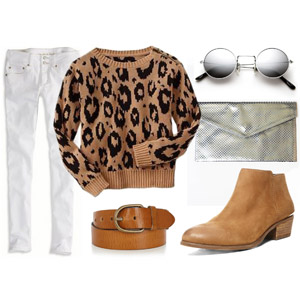
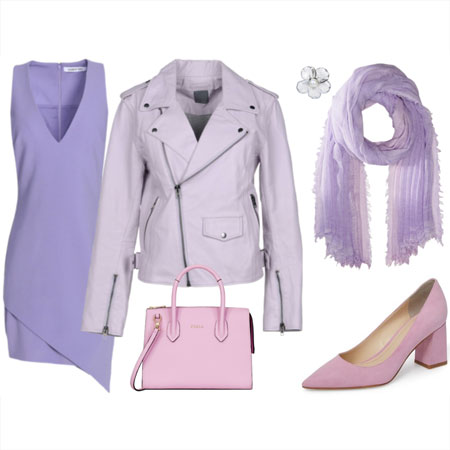
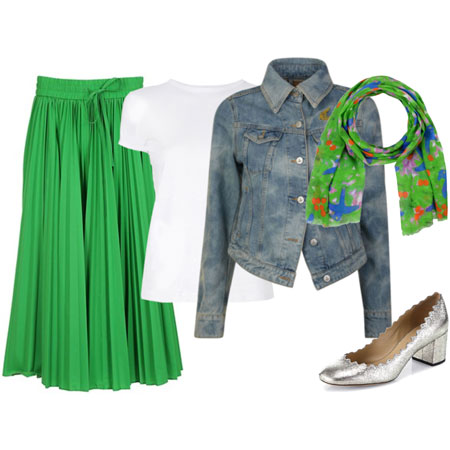
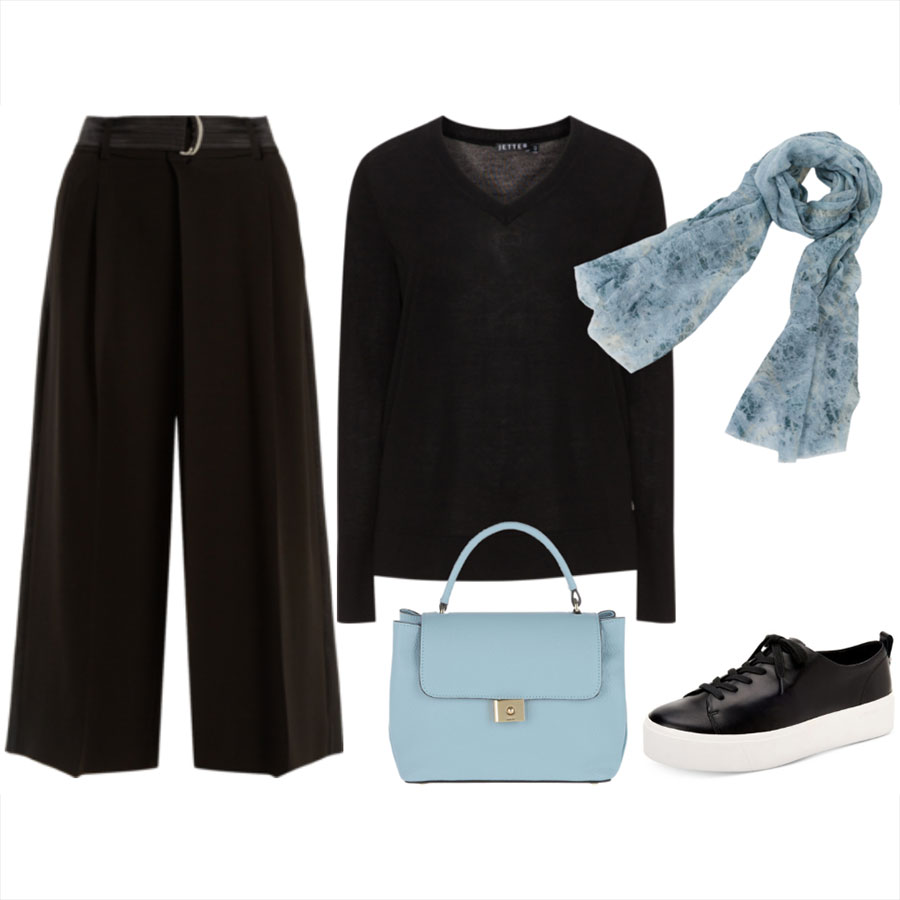
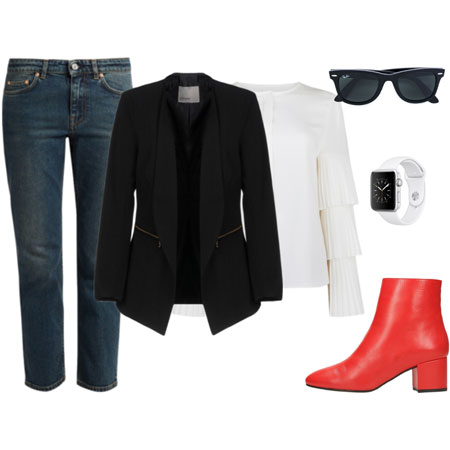
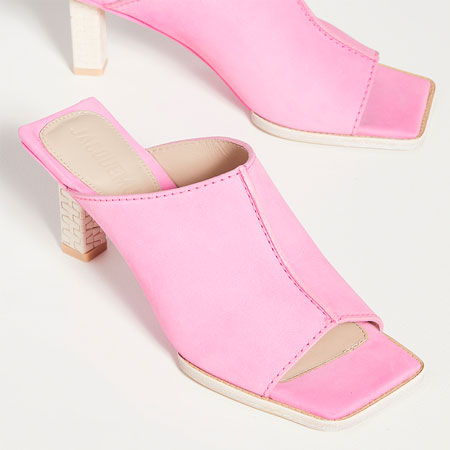
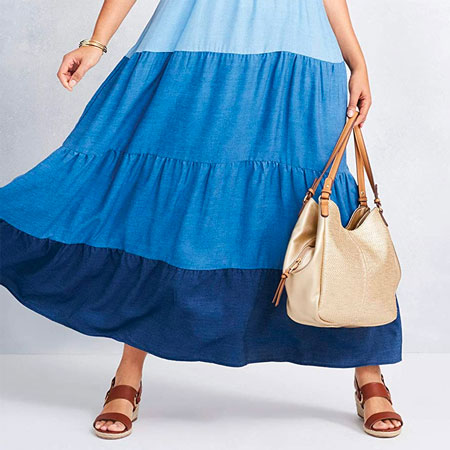
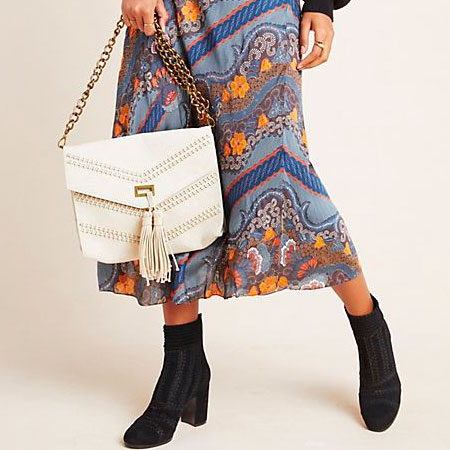
Today, fashion is very fragmented. Minimalism sits next to maximalism. RATE looks (rough around the edges looks) are as desirable as polished looks. Sporty outfits coexist with tailored classics. Quiet neutrals share space with bold colour and pattern. Preppy, romantic, western, avant-garde, bombshell, bohemian, graphic, grunge, rock ’n roll, punk, and androgynous vibes happily live side by side.
No longer is there a defining look per decade. Instead we have multiple style narratives running at the same time. Trends don’t shout as loudly as they used to, but show up as more subtle shifts in proportion, palette, fabric, length, width, combinations, and refreshed styling rather than full wardrobe overhauls. Just about every trend that we see is familiar in some way. It’s simply having a fashion moment so we see more of it. The existence of multiple style narratives have boosted the secondhand market, and paved the way to more sustainable wardrobe habits.
We can use fashion’s fragmentation to our advantage because it encourages us to DYOT (do your own thing). Fashion is offering options, not instructions, and trusting you to decide your own narrative. You can stay in your style lane without feeling left behind. You choose what fits your life and preferences. Remix what works. Repeat what feels right, and reinvent when it serves you to do so. There’s less pressure to replace and more freedom to evolve.
Over to you. Does an era of multiple style narratives feel liberating, or a bit overwhelming? Was it easier when fashion and style was more prescriptive, bossy, narrowly defined, and less consumer-led?