The Importance of Regular Wardrobe Edits

Seasonal wardrobe edits will help you to make sense of your wardrobe. Remember forgotten items, identify wardrobe holes, replace worn pieces, and improve storage areas. Editing also sparks outfit creativity and creates closet calm. 

Edit Your Wardrobe

Edit all your wardrobe items, including ones in the basement, the garage and stuff under the bed. Try on items that have gone unworn for a while because your opinion about how an item looks, feels, and gels with your style goals needs to be current.

You can only truly assess your needs, filter through trends, refresh your style, and make effective wardrobe additions when you edit properly and regularly. The more regularly you edit, the easier and less time-consuming the edits will be.

Musings on Clothing with Pockets

Pockets are brilliant when they’re in the right place and work for your style. Or they can be awful because they ruin the look of the garment, or don’t look fab on that part of the body. Today we’re sharing our feelings about pockets on clothing, and I’ll go first. I like pockets on some items, and don’t like them on others.

My puffer jackets and some wool coats must have side entry pockets because I put my hands in my pockets for warmth when it’s cold. Some pockets have welcome thermal fleece lining which keeps my hands cosy.

I prefer side entry pockets on wide and roomy casual and dressy pants, and will probably pass on them if they don’t have these important pockets. Pants with these types of pockets, and especially front pleated pants, tend to create a better fit and drape on my body, and my hands like these pockets too. I don’t like slim pants with side entry pockets because the seams of the pocket linings tend to grin through the front of the pants. That said, this can be avoided if there is enough ease in the thigh fit of the pants, and the pockets aren’t too deep.

I prefer jeans to have regular five-pocket-styling-detail, but don’t mind if they don’t. If the style lends itself to a different set of pockets, I’m game to give it a go. I’m not fussy about the back placement of jeans pockets either.

I don’t wear dresses that are fitted on the bottom half of my body. My dresses are A-line, roomy sack silhouettes, tiered, or fit & flares. On these types of “roomy at the bottom” dresses, I like having side entry pockets. It tends to effectively dress down a dressy dress, and I use them from time to time.

I am fussy about pockets with pocket flaps. I don’t mind them on denim jackets because the flaps are small, have a button to keep them in place, and are part of the iconic trucker denim jacket look. I don’t mind pocket flaps on the pockets of blazers because they are small and refined. I enjoy pockets with welts because they look extra neat, tide, and high quality. I tend not to like pants and jeans with large cargo pockets and pocket flaps, unless the flaps lie very flat. Usually, I prefer large pockets on bottoms without flaps.

I don’t mind pockets that aren’t deep because I don’t put anything besides my hands into pockets. I have quite a strict rule about that. Items get lost or misplaced when they go into my pockets, which is why I am firmly on Team Handbag. I also don’t mind decorative pockets if they make an item look more interesting and unique.

Over to you. What are your feelings about pockets on clothing?

Outfit Formula: Tees with Personality

If you enjoy wearing T-shirts, and patterned ones in particular, these outfits might appeal to you. Most of the tees are more than basic. Elevated, as well as casual and comfortable. A tee in a heavier fabric with a bit of heft tends to drape well and feel substantial. 

TIP: Tees that are too long can be shortened to a length that creates outfit proportions that are more to your taste. This hack is especially effective when you enjoy wearing tees untucked.

1. T-Shirt and Trousers

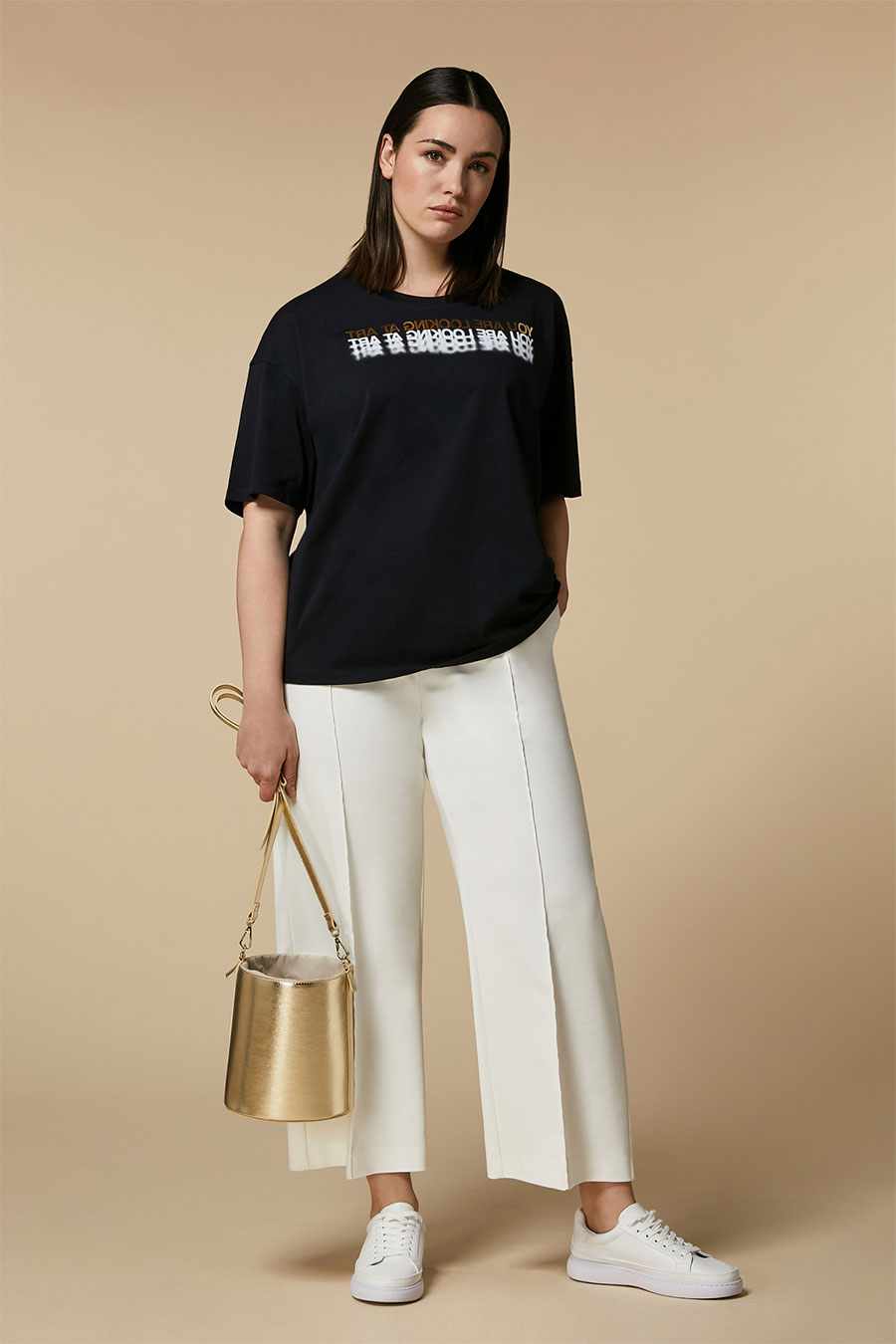
A good quality graphic black tee is not hard to find, and looks particularly current in a roomy fit with a high and neat neckline like this one. It’s worn over a pair of dressy off-white wide cropped trousers, which picks up the white graphic of the tee. Classic white sneakers are the Sporty Luxe choice of shoe. A gold bucket bag adds a glam touch. Gold flats or sneakers would too.

T-Shirt and Trousers

2. T-Shirt, Jeans + Jacket

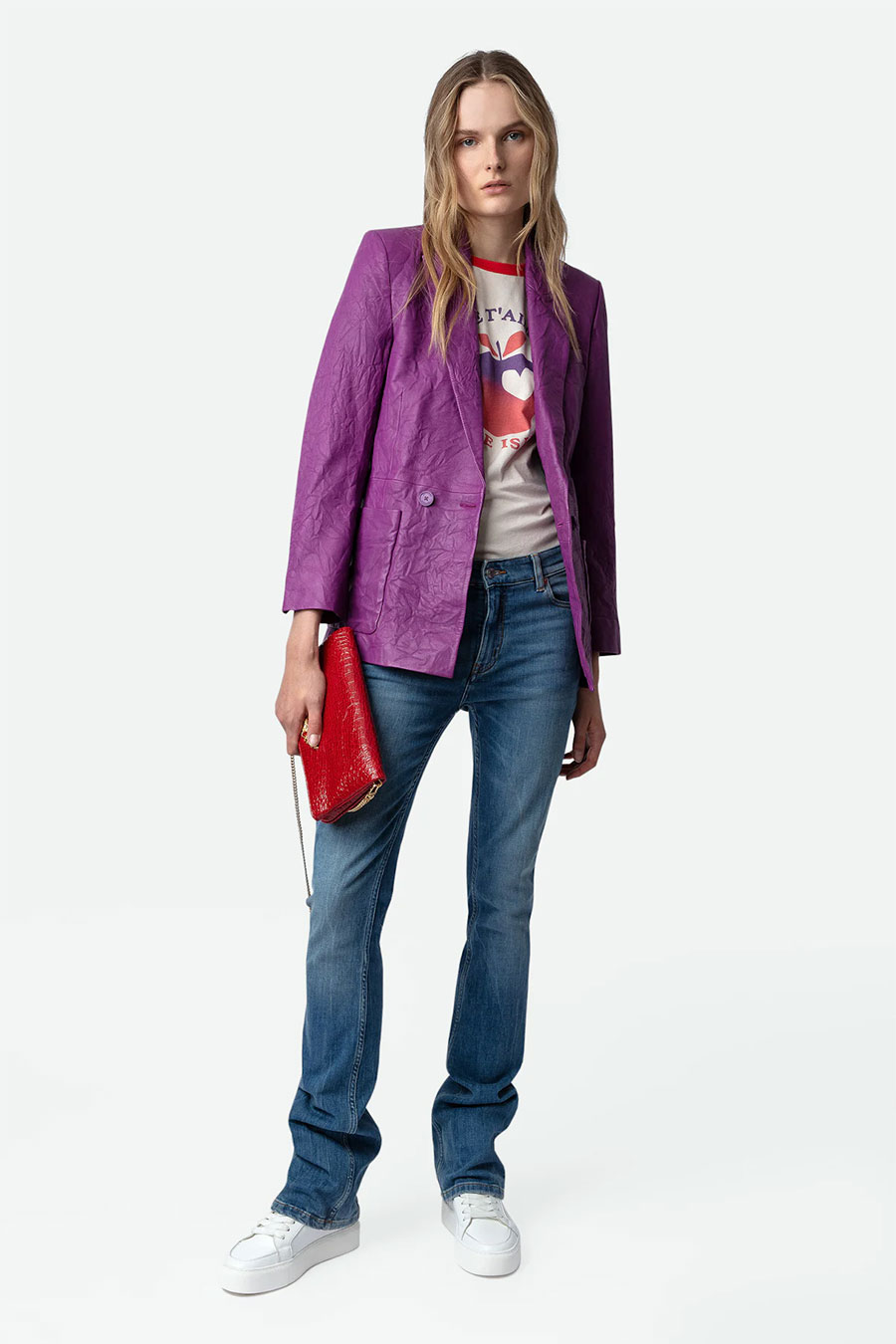
A multi-coloured graphic tee is tucked into a pair of baby bootcut jeans with a LOT of scrunch. The hems of the jeans scrunch because they aren’t too wide at the hem, and they’re worn with heeled shoes. Flatforms like these sneakers, create height off the ground thereby allowing the hems to scrunch and rest on the vamps of the shoes instead of sweep the floor. An orchid leather blazer tops the lot, adding a dressy and polished integrity to the “jeans-tee-sneaker” combination. A red clutch adds another dressy touch and matches the palette of the tee.

T-Shirt, Jeans and Jacket

3. T-shirt Under a Dress

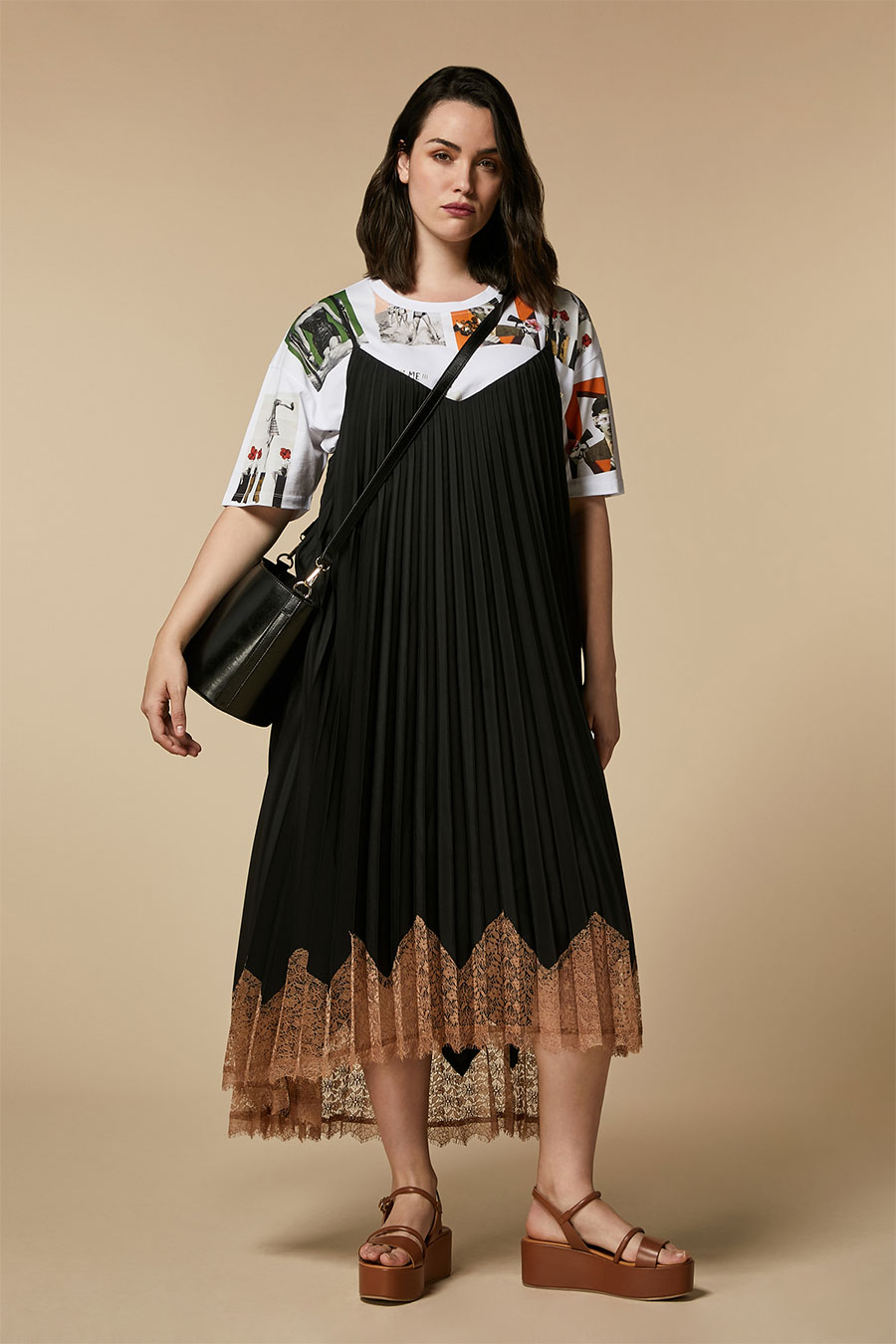
A fairly fluid patterned tee is layered under a lace and pleated black slip dress. This is a great way of adding coverage and interest to a dress that feels a little bare. Cognac platform sandals are the summery shoe of choice, matching the earthy bits in the outfit. A black crossbody bucket bag amps up the casual vibe.

T-shirt Under a Dress

4. T-Shirt and Skirt

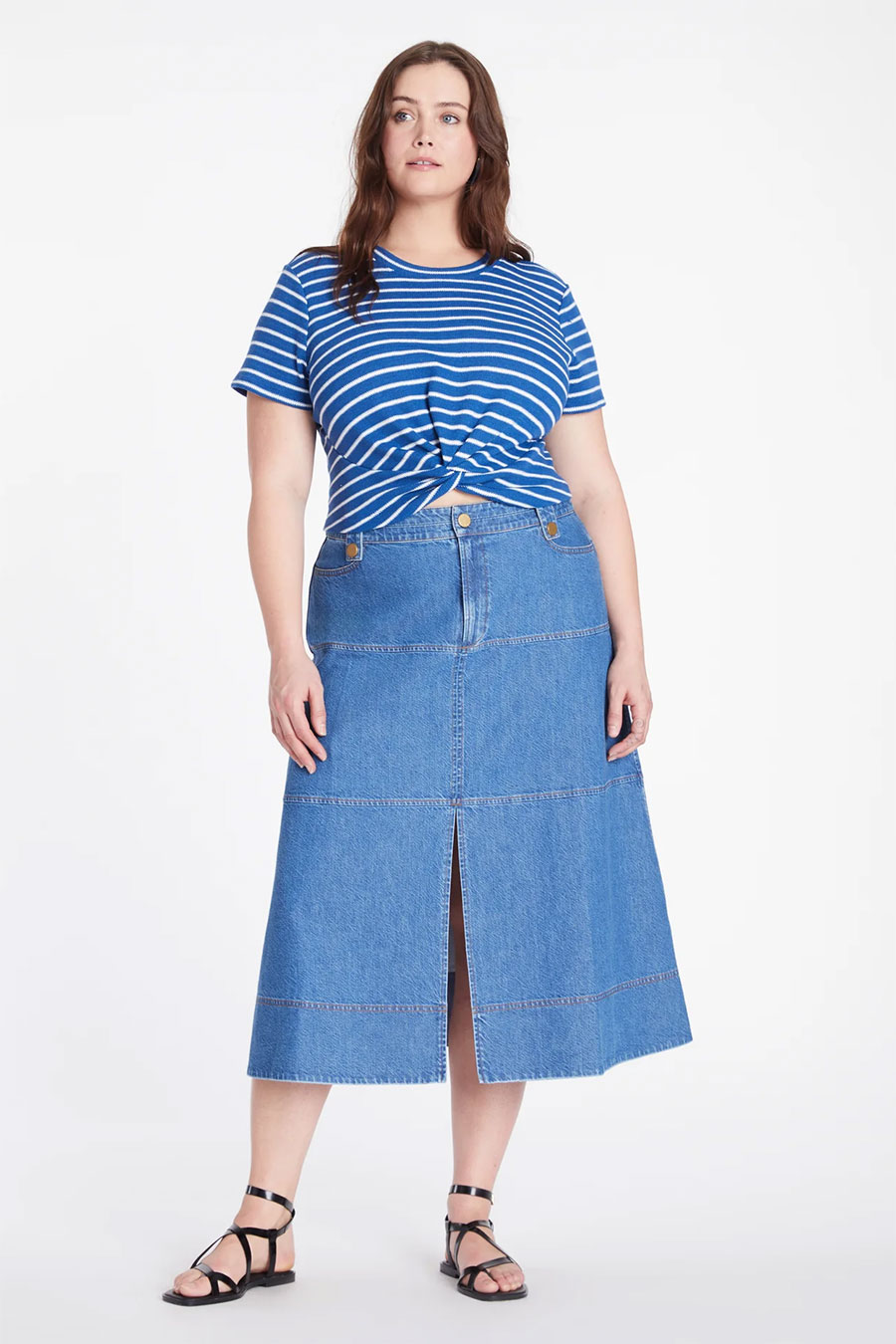
A cropped, striped, fitted and knotted tee is paired with an A-line and front slit denim midi skirt. Its cropped length accentuates the fit and style of the skirt. Black gladiator sandals are the breezy finishing touch. I see a black bag complete the look. Add jewellery, watch, and eyewear as desired.

T-Shirt and Skirt

Here are more skirts worn with tees. Tees are patterned or solid, vary in fit, and sometimes worn under a topper.

Roundups

Simpler Items

This week's list of top picks list is about basic pieces.

Read More

Assorted Items

Items for Summer, both in and out of air conditioning.

Read More

Casual Summer Vibes

This week's top picks are good for a casual Summer vibe.

Read More

Summery Earth Tones

These items are for those who like to wear casual earth tones in warm and hot weather.

Read More

Hints of Spring

Some tried-and-tested winning items to refresh your style for Spring.

Read More

Dressier Items

An assortment of dressier top picks might be just what the doctor ordered.

Read More

Repeating Your Hair Colour in Your Outfits

Your physical features are a part of your outfit. When you are pulling a look together by repeating the colours in your outfit, consider the colours of your hair, eyes, and skin tone, in addition to your clothing, footwear and accessories. 

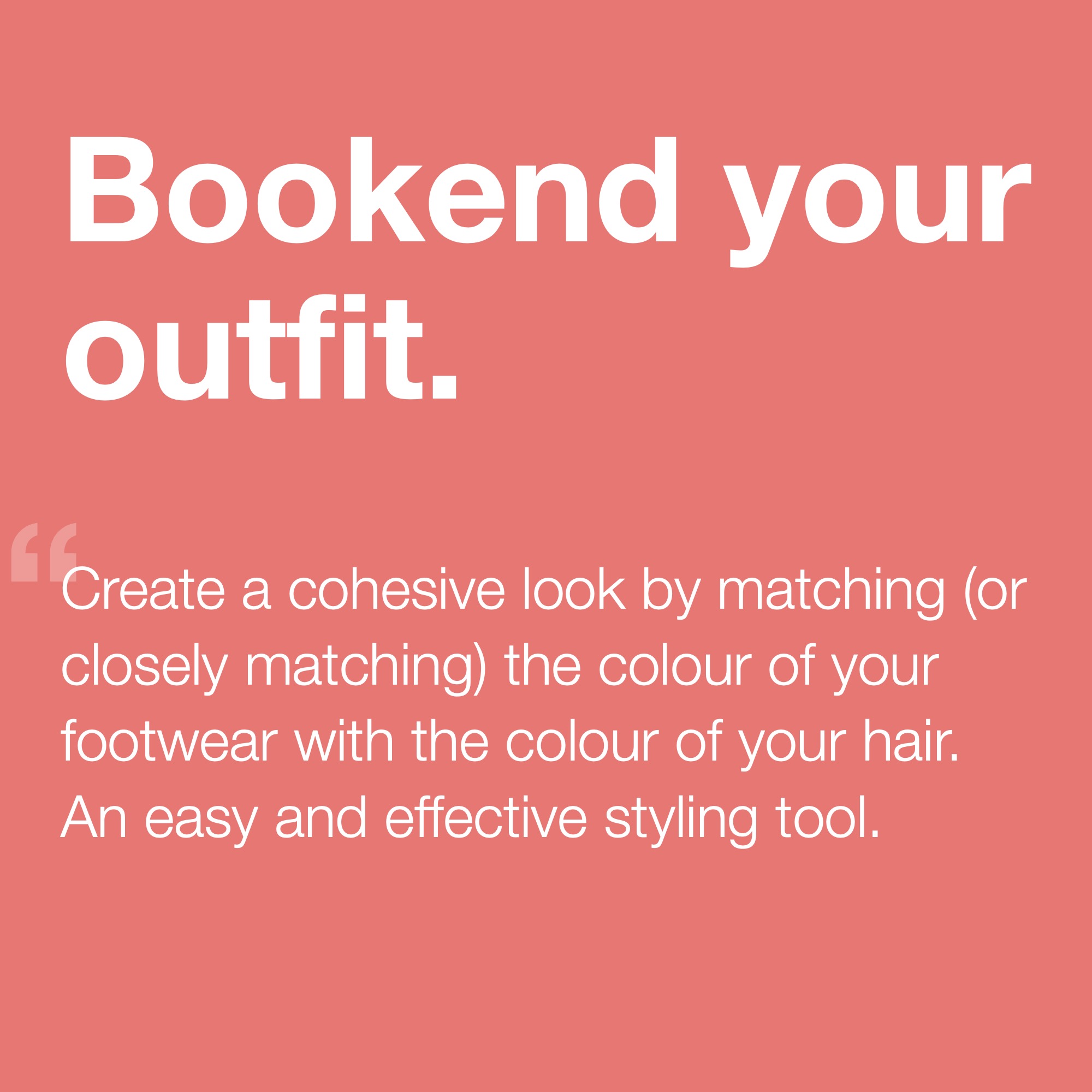
Bookend Your Outfits

Black and brown shoes are great with black and brown hair. Cream, gold, tan, taupe and toffee are with blondes. Bronze, burnt orange, cognac, and animal print with redheads. White and silver with grey hair. Brights can bookend rainbow hair.

Bookending is not the only route to outfit cohesion. Dark hair can be great with light footwear, and vice versa. You don’t need to have rainbow hair to wear non-neutral shoes. Your colour and styling preferences are more important than bookending.

Five Disadvantages of Natural Fibres

We sing the praises of natural fibres for very good reason. Cotton, linen, silk, wool, bamboo, viscose, rayon, and tencel wardrobe items are breathable, keep your body temperature comfortable, have a more positive environmental impact, and can feel glorious against the skin. 

That said, it’s my job to provide a balanced view. And natural fibres also have some disadvantages.

1. Expensive

Natural fibres require the care of plants and animals. That along with multiple steps of processing makes them comparatively expensive to produce. Cotton requires large amounts of water to grow. Synthetic fibres are easier and cheaper to produce, often making them the more affordable option.

2. Shrinkage

Most natural fibres are prone to shrinking in hot water and the dryer unless fabrics are pre-shrunk before garment production. 100% viscose, rayon, and wool items are particularly prone to shrinking in the laundry. Synthetic fibres tend to hold their shape and not shrink at all.

3. Skin Irritation

Wool from all sorts of animals can be itchy and aggravate the skin. It some cases it can cause an unpleasant allergic reaction. Linen can be a little scratchy too. Thankfully, knitwear in natural cottons, rayon, viscose, and silk are soothing against the skin.

4. Less Robust

Synthetic clothing is usually wrinkle-free and holds up well in the laundry. It holds its colour well too. Brightly coloured clothing in natural fibres tends to fade fast, and lose its luster after frequent washing and wearing. There is fading from excessive sunlight too. Fabric made of natural fibres cannot be permanently pleated either.

5. Not Great For Gear

Natural fibres aren’t best for workout wear and sportswear. Gear tends to work best in synthetic technical fabrics which are designed for optimum sporting performance and protection against the elements. Synthetic technical fabrics stretch, insulate, wick-away, protect, and support the body in the best way. They dry fast too.

There is lots to consider when figuring out the best fabrics for your wardrobe items, and it’s certainly not all black or white. Natural fibres are best most of the time. Natural fibres that are blended with some synthetic components can be excellent too. And for some situations, synthetic fibres are the best way to go. Choose the fabric compositions and balance that works best for you.