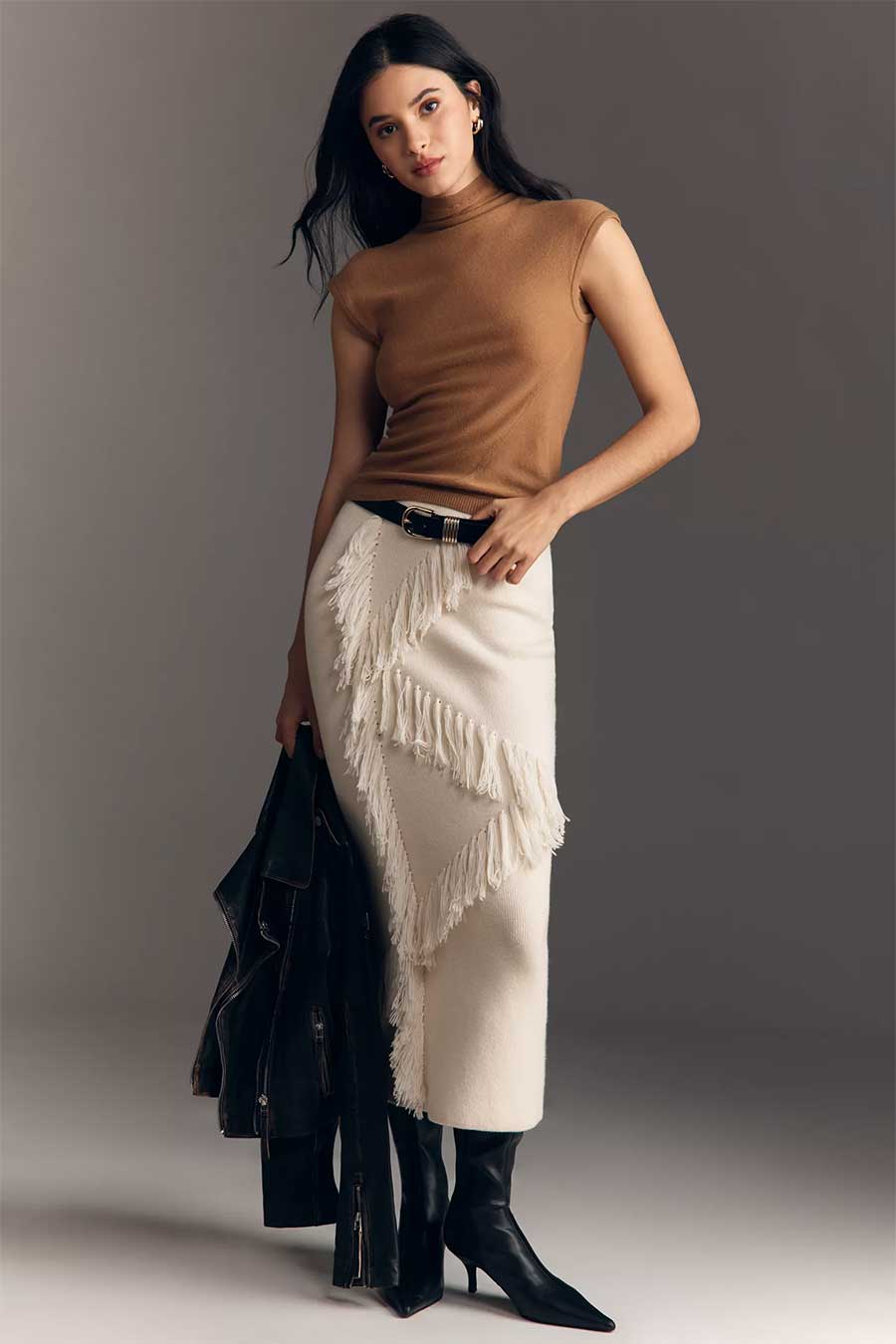
Catch up on jeans and footwear tends for 2026 if you missed them. Here are the rest of the wearable trends for Spring and Summer as I see them. Some trends are fringe and others mainstream. Many are familiar and a continuation of what we’ve been seeing.
The most important concept to understand about modern fashion and style, is that it’s an era of multiple style narratives. This was effectively portrayed through Ralph Lauren’s recent runway shows, which showcased an extreme variation of silhouettes, fits, rises lengths, hem lengths, combinations and proportions. Bottom widths were slim, fluid, wide and very wide. Lengths were cropped, long and puddle length. Rises were low, mid and high. Fits were body con, tailored, fluid and oversized. Skirt and dress lengths were mini, knee-length, midi, and maxi. Skirts were flared and pencil. All sorts of proportions were created. In short, there is everything, everywhere, all at once. You choose your style narrative and run with it.
Most trends look familiar and little is brand new other than fabric technology and hybrids. Fashion today is about taking the best from every decade, remixing it and modernizing it. The emphasis is less on new silhouettes and more on combining and juxtaposing items, vibes, proportions, and colours to create a refreshed look.
Feel free to feast, snack, or fast from the buffet of trends, and most importantly – do your own thing. Wear what makes you happy, and feel good in your outfit.
1. Opposites Live Side by Side
You’ll find just about anything at this point given that fashion is bringing back the best of every decade. There are slim and wide silhouettes. Short and long lengths. Body con and oversized fits. Bombshell and boxy cuts. Quiet and loud luxury. Neutrals and non-neutrals. Solids and patterns. Dressy and casual. Glam and athletic. Gender neutral items, and a whole lot of remixed proportions that create a refreshed look. Maximalism is as on trend as Minimalism. Sporty Luxe thrives alongside Taiored Classics. Boho Chic smiles at Fresh Preppy. Rock ’n Roll nods at Athleisure. The one does not cancel the other out.
You have the power to choose your fit, length, and outfit proportions. Size up if you don’t like things too tight. Size down of you don’t like them too big. Wear items with the same fit in one outfit, or mix it up for variation.
All lengths of bottoms are on-trend. There are cropped lengths that expose the ankle bone, or graze the ankle bone. Two inches above the ankle is a sweet spot for cropped lengths. There are full lengths that skim the vamp of the shoe without a break line. The point is to showcase footwear at that length. Some full lengths are longer thereby covering more of the shoe and creating a break line. There are fashion forward floor-sweeping “puddle lengths”. Tapered silhouettes at extra long lengths scrunch at the ankle creating a textured effect.
Knee-lengths are the “newest” length for skirts and dresses, which means a length that hovers around the knee. A little above, a little below, or on the knee cap is knee length. Of course, there are plenty of minis, midis, and maxis too.
2. ‘80s and ‘00s Inspired
The unapologetically expressive ‘80s influence current fashion in a big way. Think bubble hems on items, slim tapered pants, ra ra skirts, sharp shoulders, pleated high-waisted carrot pants, oversized fits, ruffles, stirrup pants, dolman sleeves, dropped shoulders, blouses with bows and neckties, balloon pants, defined waists, wide belts, double belts, hitch-up skirts, acid wash, neon, clashing brights, all sorts of pastels, pedal pushers (knickerbockers), statement tracksuits, pencil skirts, hi-tops, peplums, boiler suits, mullets, boxy cropped tops, yoke and basque skirts, fingerless lace gloves, and scrunchies. These looks are modernized, architectural, and remixed to look chic and grown-up without losing their delightful retro charm.
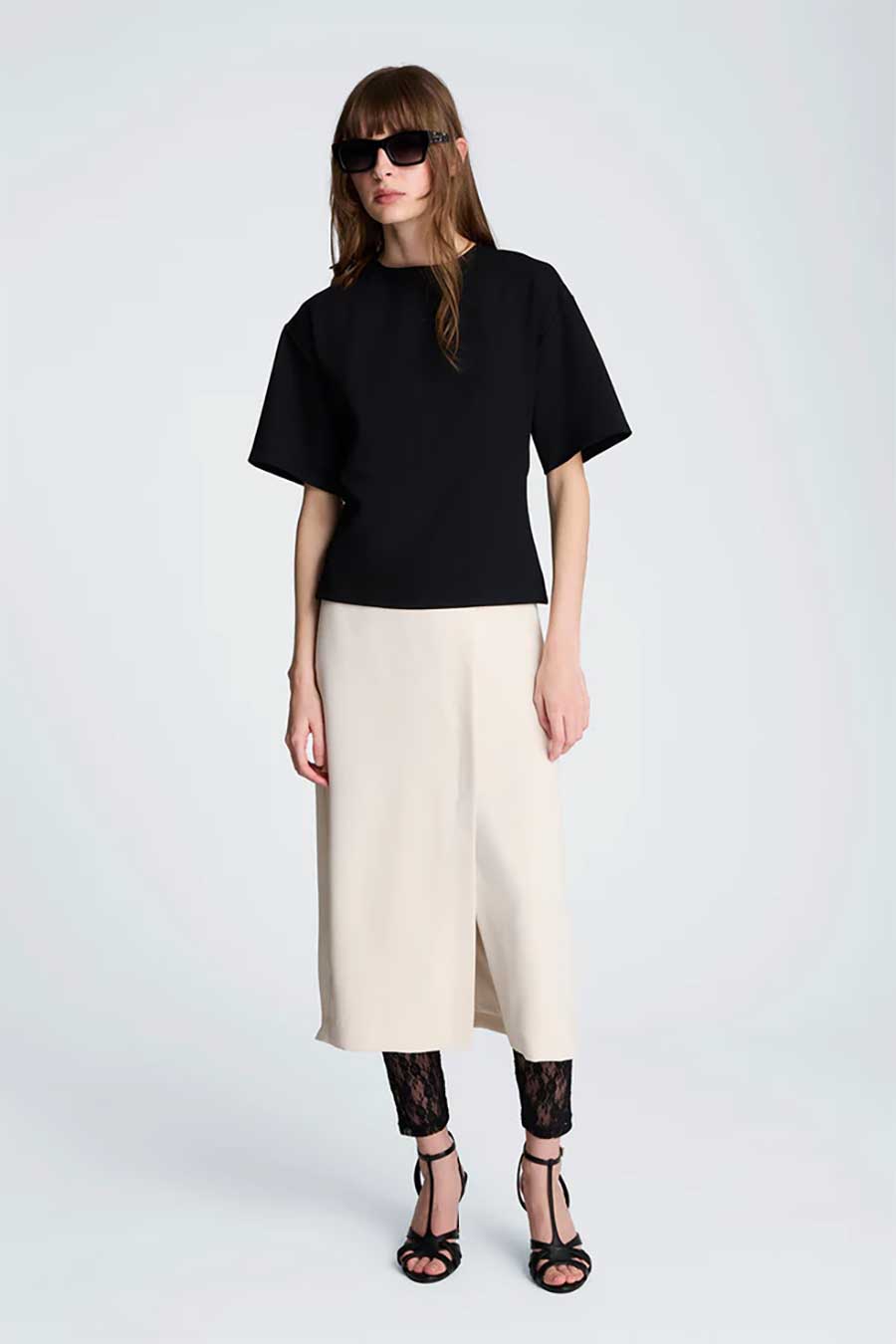
You’ll see fashion from the ‘00s come through too. There are low rises and low slung pants and jeans, but the silhouettes are relaxed, wide and very wide (not skinny and low rise). There are also low slung skirts and belts. Think band tees, graphic tees, moto jackets, slim bottoms tucked into tall boots, tailored button down shirts, clamdiggers, side swept fringes, bootcuts, long layered tank tops, lace trims on skirts and tops, long lace camisoles, tees with defined waists, long slim tops, handkerchief hems, and big handbags. There are also lots of black and white combinations.
3. Fresh Preppy
Think quintessential Ralph Lauren looks and you’re on the right track. Polo shirts, rugby stripes, nautical stripes, crisp shirting, colourful silk scarves, shirtdresses, vertical striped shirting and blazers, striped neckties, candy-coloured sweatshirts, madras checks, gingham, Summer plaids, gingham, cotton cabled knitwear, cotton chinos and shorts, popped collars, tailored blazers, quarter-zip knitted tops, collegiate sweaters with colour-blocked V-necks in pullover and cardigan silhouettes, tennis and cricket sweaters in tailored and oversized silhouettes, striped grosgrain belts, satchels, chambray, baseball caps, and argyle.
4. Poetcore
Poetcore borrows from the wardrobes of poets, artists, and thinkers across the ages, remixing the lot with a whole lot of modern. Frilly pirate shirts, billowing puff sleeve tops, ribbon-tied necklines, and romantic ruffles are combined with tailored trousers, skirts, blazers and waistcoats. Think Victorian inspired footwear like lace-up boots, brogue oxfords, and Mary Janes. Vintage jewellety is the accessory of choice. The palette is muted, mostly neutral, and texture-rich.
5. Short Trench Coats
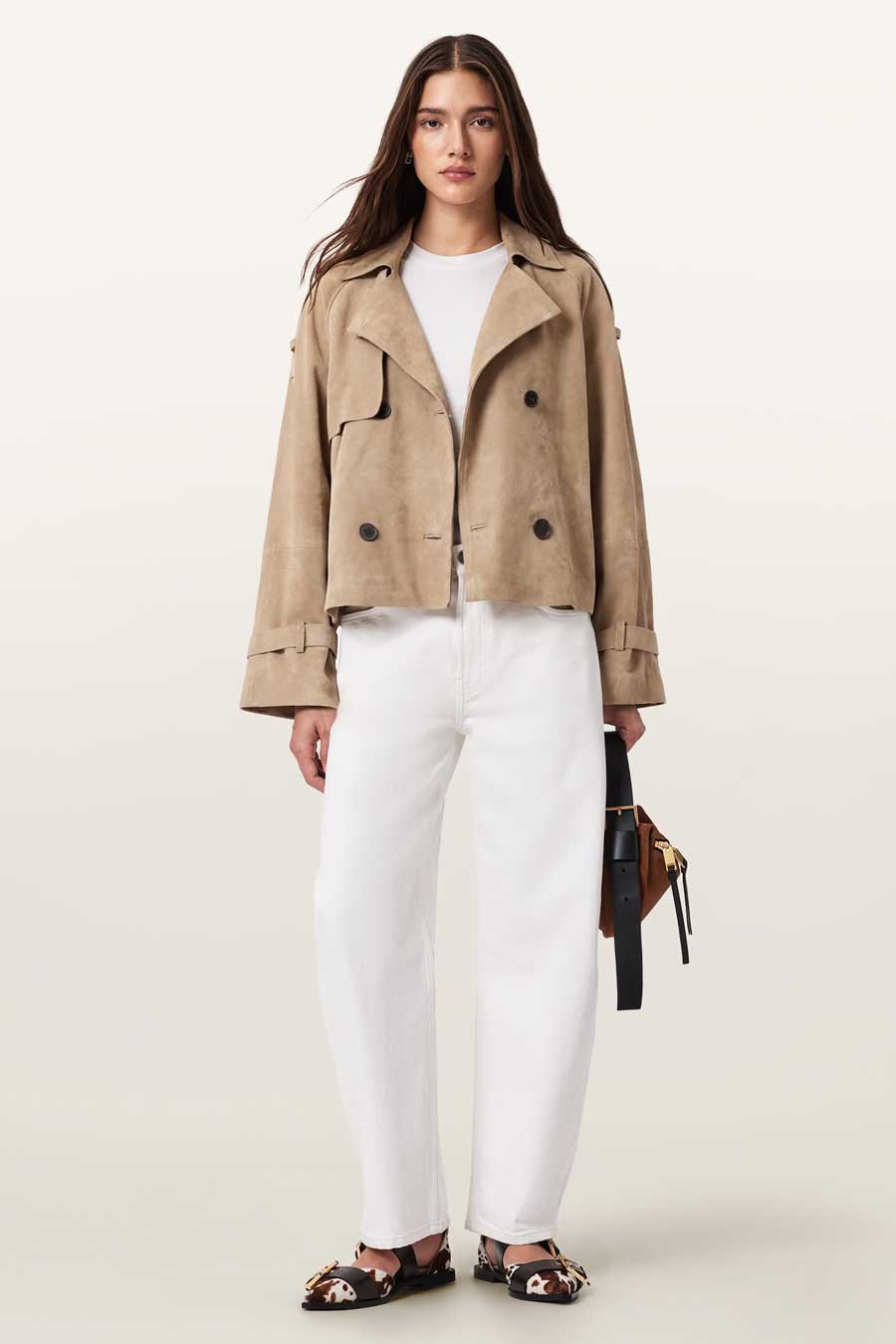
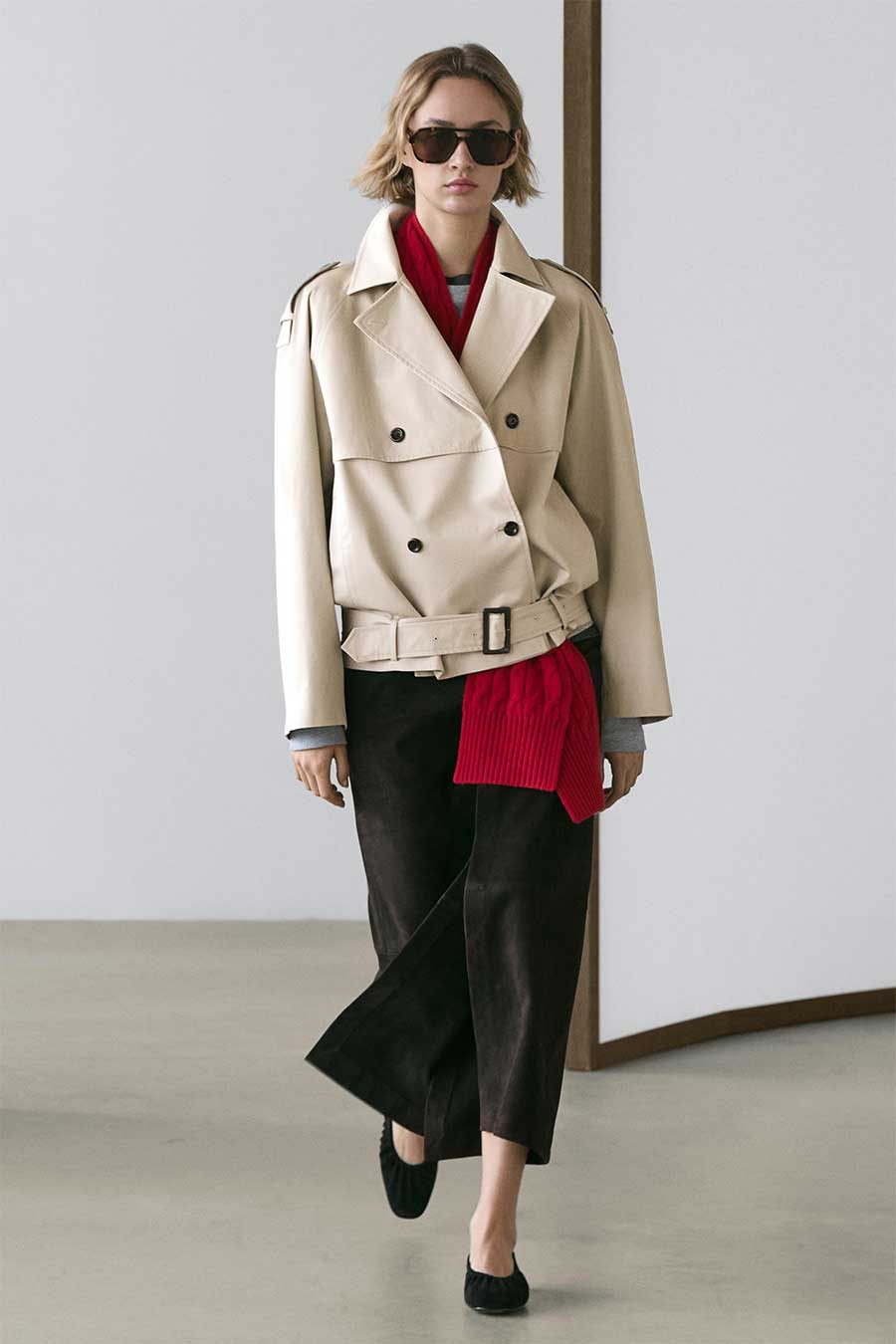
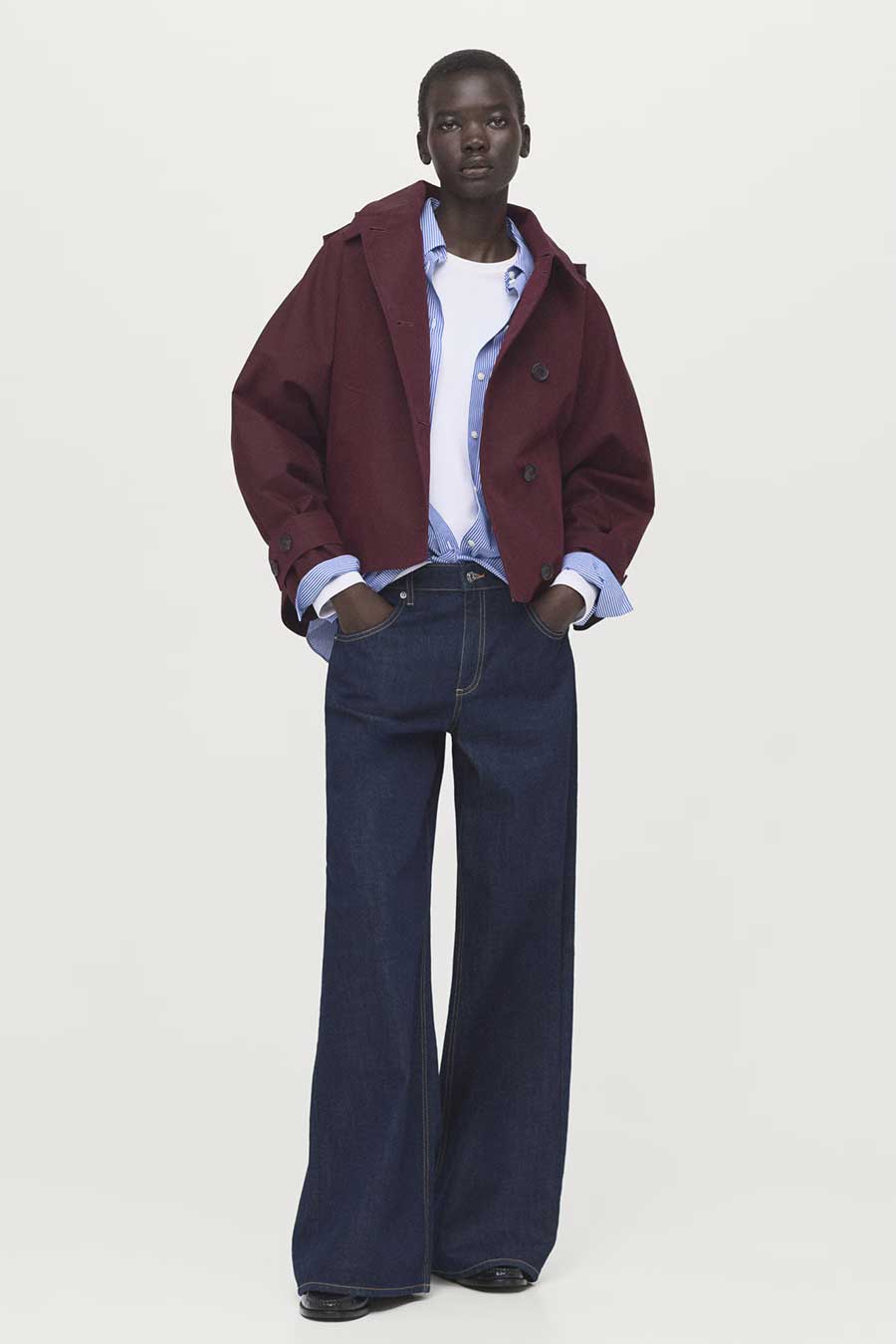
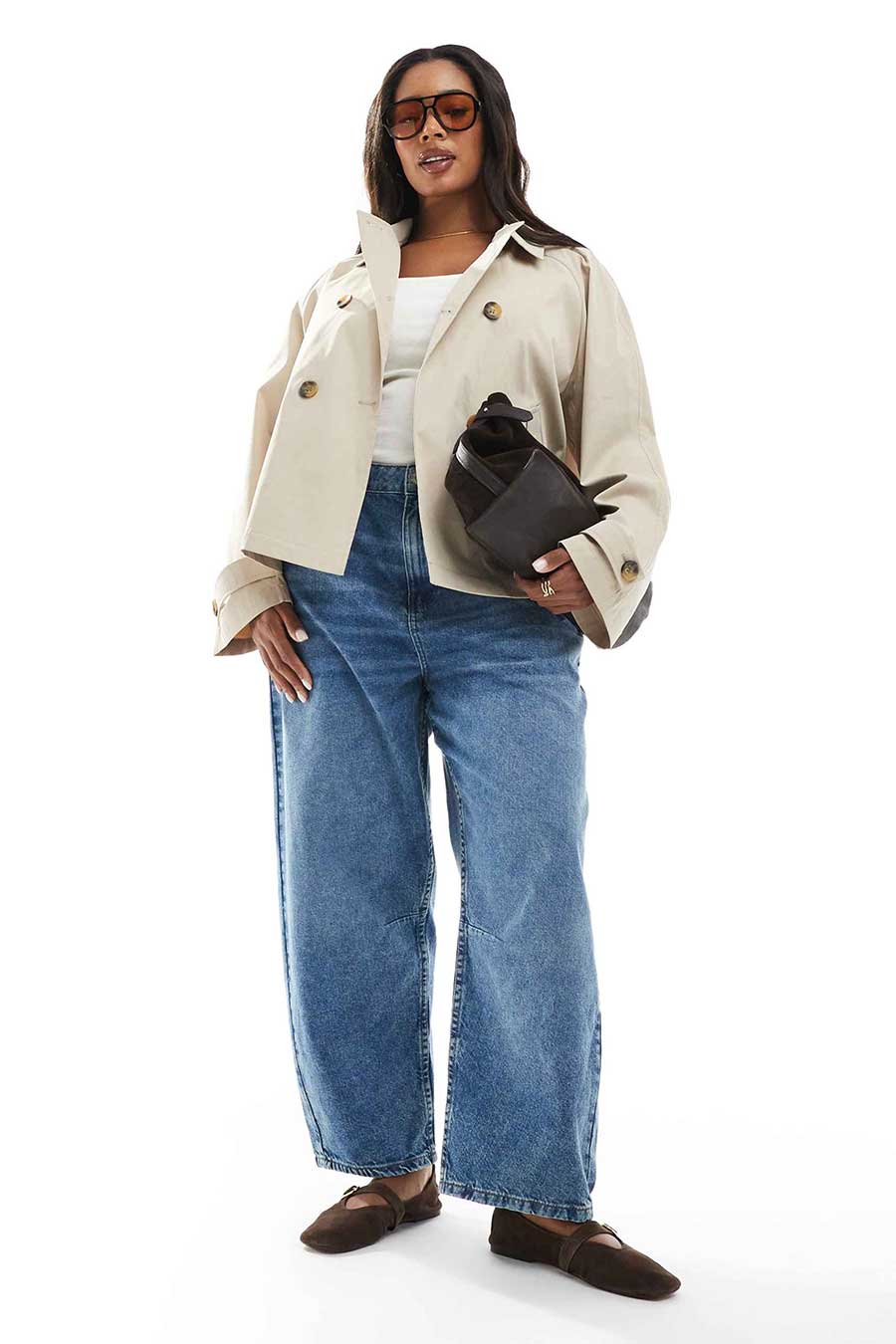
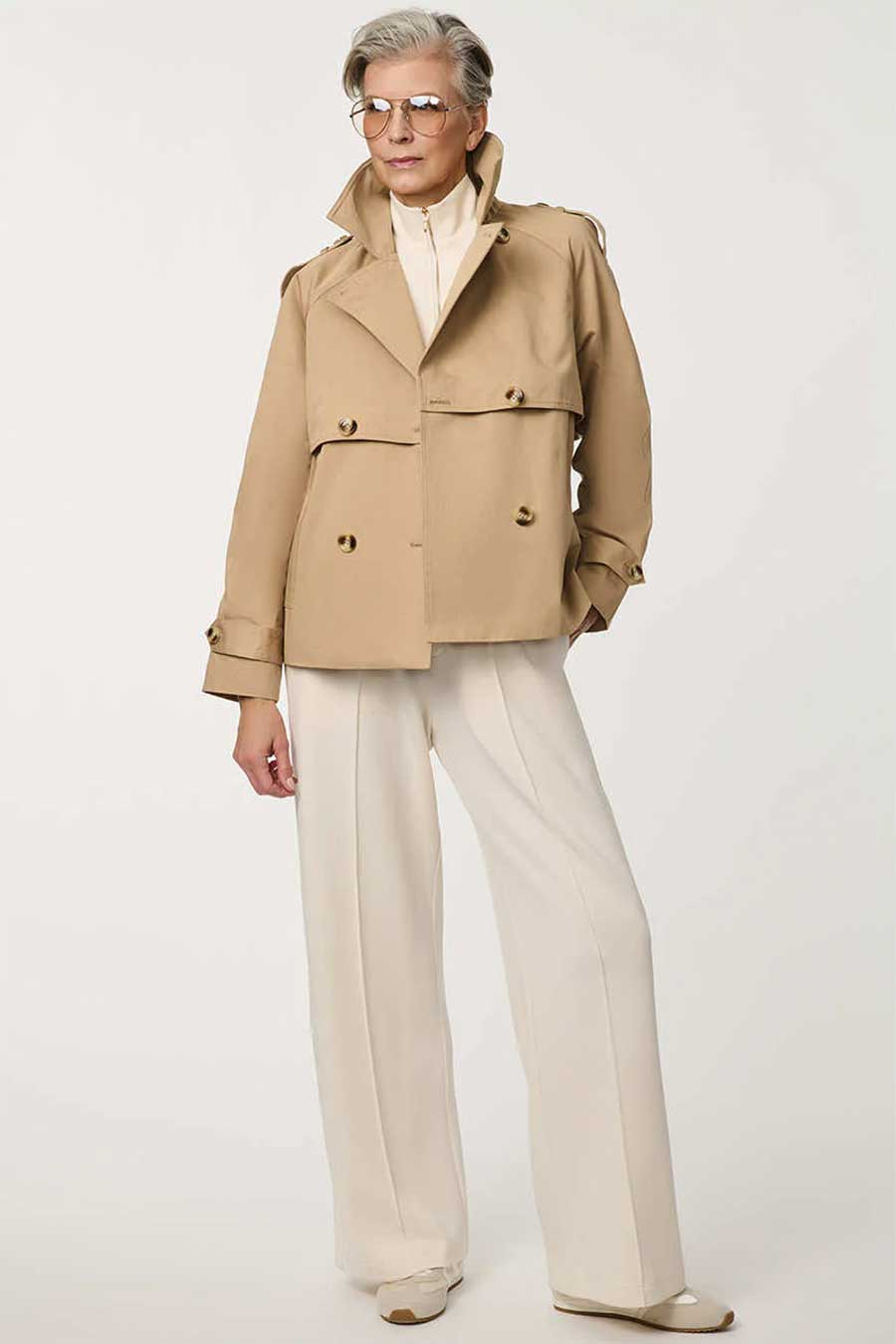
Short trench coats in neutral colours are a contemporary update on the long and belted classic silhouette. Great in mild and transitional weather. Cropped at the waist or high hip, these shorter versions retain traditional trench details like double-breasted fronts, storm flaps, and epaulettes yet feel lighter, sportier, and more modern. There are single breasted versions too. Most are un-belted, which strengthens the appeal. Double breasted versions can be worn open. Fits are generally fluid, boxy and oversized, although tailored versions exist. The versatile shorter length works particularly well with wider bottoms, skirts and dresses.
6. Polka Dots
Polka dots are a familiar pattern with a sense of whimsical and retro charm, although in 2026 they seem more elevated and sophisticated. Less cutesy and more serious. More “grown-up” for lack of a better way of describing it. For the most part, polka dot patterns are neutral and two-toned. Many of them are very small in scale. Black and white polka dots reign supreme. There are also navy and white, earth tones and white, and other colour combinations.
7. Western
Classic western looks continue to influence fashion with its rugged and rustic spirit. Inspired by classic cowboy style, the look incorporates elements like cowboy boots, fringe, suede, leather belts, oversized belt buckles, shirts with yokes, prairie-inspired dresses, barn jackets, bootcut jeans, denim vests, denim trucker jackets, denim shirts, stetsons, tiered maxi skirts, horse patterns, pony prints, cow prints, plaid shirts, bandanas, weathered brown leather accessories, and lots of embroidered details. The idea is to remix western elements into any outfit, thereby creating unexpected combinations and maximizing the power of juxtaposition.
8. Bows and Knots
Bows and knots can bring texture, movement, and charm to contemporary outfits. Think statement details on tops, dresses, skirts, shoes and handbags, ranging from ties at the neckline to oversized decorative bows on the waist, at the back, or on the shoulder. Knotted and ruched elements also appear on garments, where fabric is twisted or gathered to create soft structure and visual interest. While the look has a whimsical feel, it’s often balanced with clean silhouettes and modern fabrics so it doesn’t feel too sweet.
9. High V-Necklines
Unlike the traditionall V-neck, this version begins higher on the chest and creates a more subtle, and tailored plunge. You’ll find the high V-neckline on tops and dresses. The shape draws the eye vertically, which can visually lengthen the torso and neck. The result is fresh and polished, without revealing too much skin. If V-necks are your thing, you might like the current update. If high necklines are your thing, the higher V-neck might be a way to enjoy a lower neckline.
10. Funnel Necklines
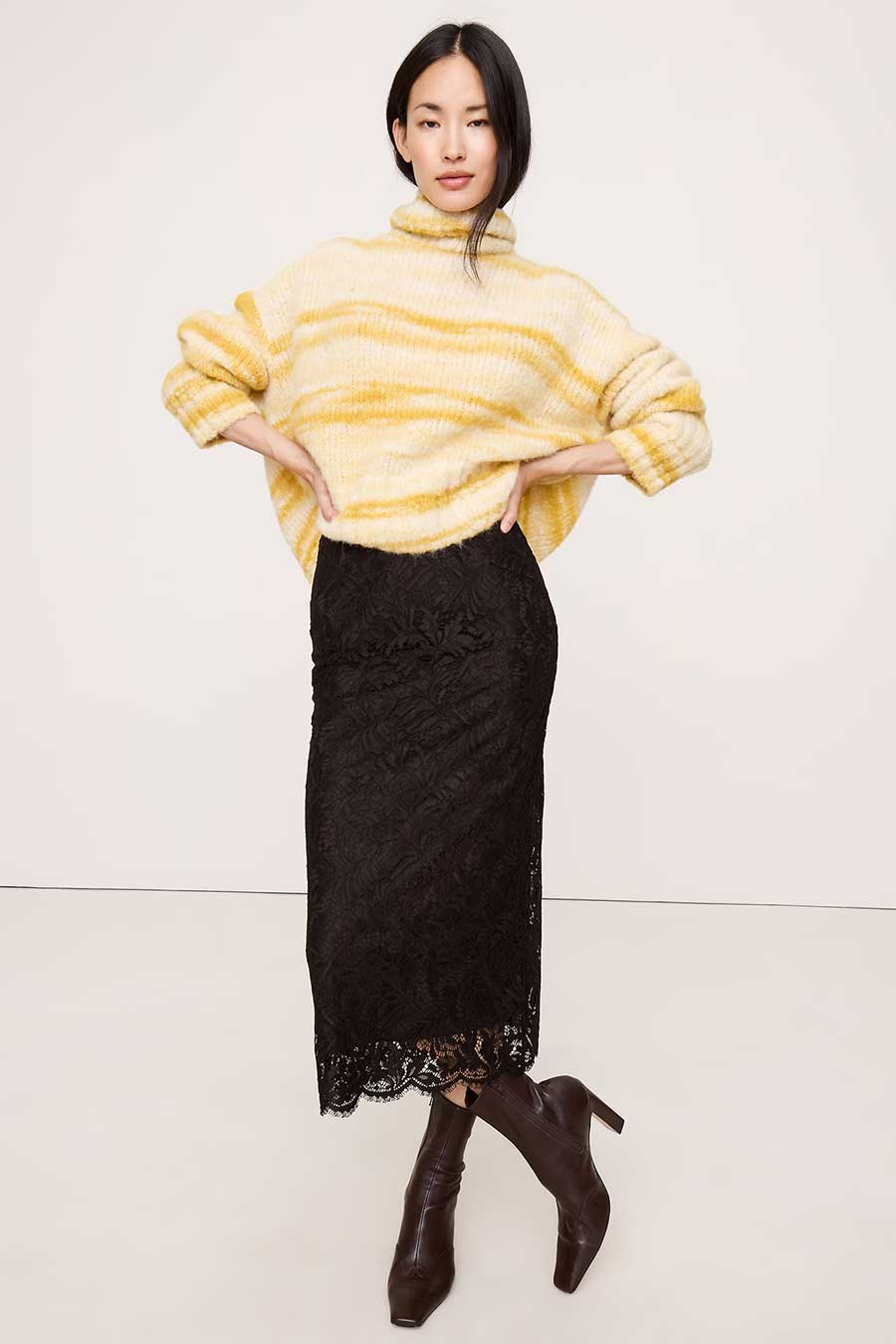
The funnel neckline adds an architectural element and subtle drama to silhouettes. Sitting higher than a crew neck but looser and shorter than a traditional turtleneck, the funnel neck gently stands away from the neck to create a clean, sculptural shape. You’ll see it on jackets, coats, knitwear, knitted tops, dresses, and sleeveless pieces. Funnel necklines frame the face, and offer neck coverage, They work particularly well on longer necks and shorter hair. That said, funnel necks that are too high can be folded down and look super cute too.
11. Blues and Teals
EVERY shade of blue in any wardrobe item is having a fashion moment. Think watery blue, light blue, powder blue, sky blue, aqua, denim blue, cobalt, royal blue, sapphire, slate blue, periwinkle, cerulean blue, air force blue, turquoise, peacock blue, blue teals, indigo, navy, and ink blue. Blues can be very versatile, and some are fashion neutrals. Blues skew cool-toned and are quite the change from warm earth tones that have dominated fashion for several seasons.
12. Modern Romance
This trend blends gothic drama with feminine elegance, creating a moody and romantic aesthetic. The beauty of dark romance lies in balancing hard edge with soft and pretty. The palette combines deep tones like black, eggplant, ink blue, plum, chocolate, and burgundy with dusty pinks, light blues, shades of white, and metallics for contrast.
Think head-to-toe textured black, or other very dark solid colours, or patterns with black backgrounds. Think black lace, lots of lace trim, sheer fabrics, tulle, sequins, patent leather, textured leather, velvet, moody dark florals, textured knits, tweedy wovens, corsets, rosettes, satin, chiffon, silk, jacquards, brocades, chokers, gloves, cameo pendants, dark nail polish, dark eyewear, smoky eye makeup, and dark lipstick. Interpret the looks minimally or maximally, and across the seasons. There’s a hint of Steam Punk too.
13. Draping
Draping brings romantic and elegant fluidity to soft fabrics. The idea is that you’re floating in flowing fabric rather than drowning in it. Instead of rigid structure, fabric is gathered, twisted, pleated or folded so it falls naturally around the body, and moves as you stride. Draped elements appear on dresses, tops, skirts, trousers, and knitwear, often across the waist, shoulder, hips, or neckline where the fabric can cascade into soft folds.
14. Novelty Patterns and Slogans
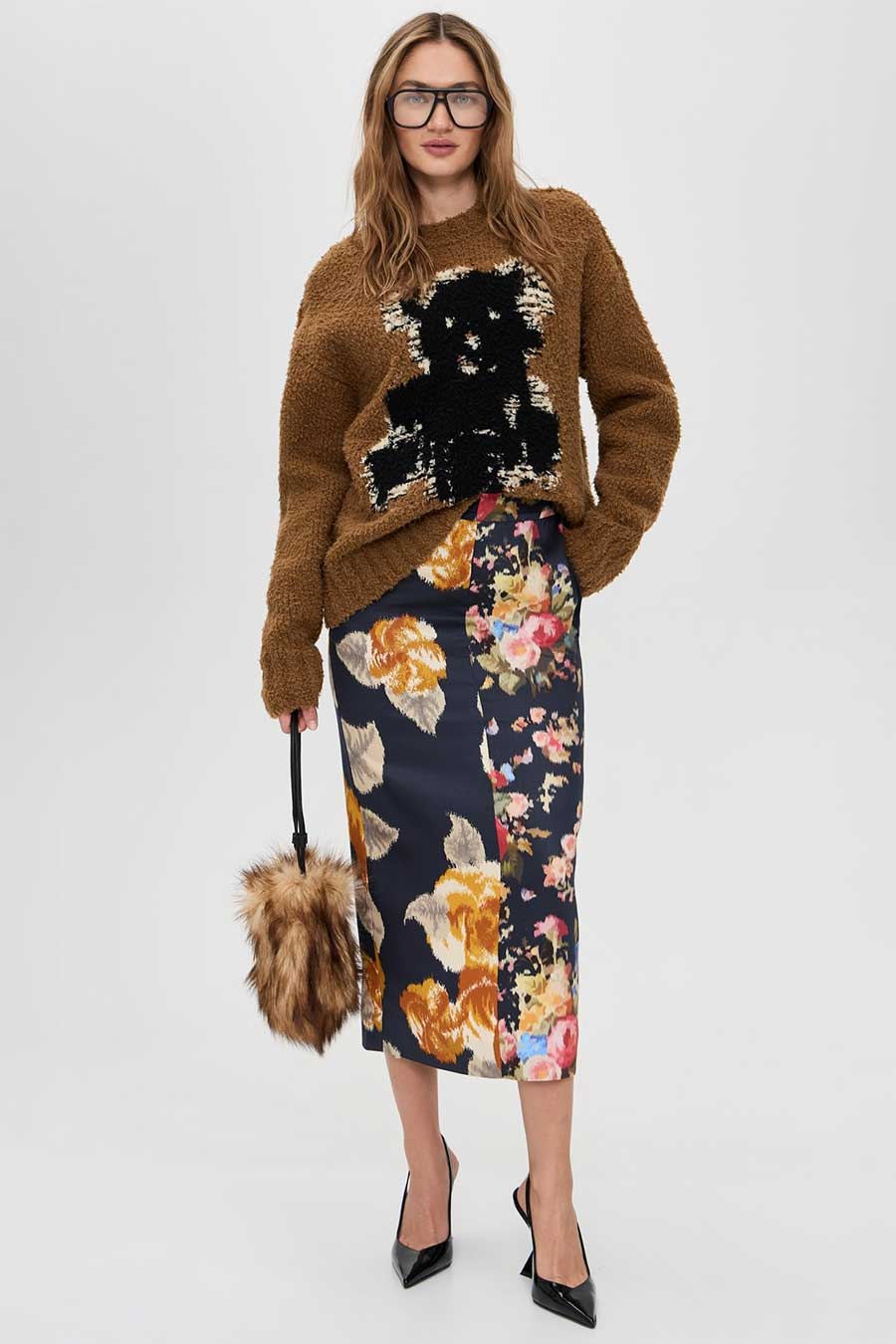
Novelty patterns and clothing with slogans are packed with personality, a sense of humour, and can create interesting conversations. You’ll find just about anything in the form of a pattern or slogan on a wardrobe item these days when you search for it. If you find a top or tee with a pattern or graphic that is meaningful or nostalgic in some way, wear it with a happy heart and feel right on trend. Make a subtle or bold statement with quirky pieces. Wear these looks casually, or remix them with dressier pieces.
15. Solid Saturated Brights
Clear brights denote joy, delight and optimism. Chartreuse, Kelly and lime greens, shocking pinks and fuchsia, all sorts electric and bright blues, tomato reds, watertmelon, fiery reds, citrusy oranges, regal violets and orchids, and energizing yellows. Wear the same bright colour head-to-toe. Wear several brights at once to create a harmonizing colour clash because no shade pairing is off-limits. Or wear brights in small doses through footwear, accessories, make-up, and nail polish.
16. Round Silhouettes
Round silhouettes borrowed from the ‘80s have an architectural integrity are in full swing. Think rounded shoulders, balloon sleeves, barrel, horseshoe, and lantern pants, shorts, and jeans, bubble hem jackets, and top-heavy oval silhouettes. Fits and shapes are exaggerated and playful.
17. Interesting Visible Layering
Layer tanks and vests over long sleeved tops. Layer tees under dresses. Layer tees over button down shirts and blouses. Layer multiple tees. Layer two skirts. Play with different lengths. Wrap scarves over pants and skirts. Wear white tees under sweaters. Drape capes over anything. Wear jackets and vests under coats. Sport more than one belt, and belt multiple tops. Drape knitwear over jackets, like wraps. Wrap knitwear around the waist.
18. Butter Yellow, Celery, Pale Pink, Light Blue
We see pastels every season, and some more than others. Think pastels in any wardrobe item across clothing, footwear and accessories. Pastel suiting and pastel rugby stripes are ‘80s influenced. There’s an emphasis on wearing buttery yellow with light blue. Pale greens like celery and pistachio make a fresh debut. Pale pinks are pretty and one of the more versatile pastels. Pale pinks are great with whites, blues, blue denim, and earthy browns, olives, maroons and burgundies.
19. Utility, Athleisure and Sporty Luxe
Athleisure is full throttle casual and sporty from head-to-toe. There are no dressy components in an Athleisure outfit. Sporty Luxe remixes sporty touches with dressier pieces, making juxtaposition key. Sporty Luxe looks are dressy, apart from the sporty accents that relax the look.
Think fashion sweatshirts, hoodies, sneakers, joggers, track pants, track tops, sporty tuxedo striping, bombers, baseball caps, fleece jackets, leggings, anoraks, large weave mesh tops, rugby tops, colour-blocking, tank tops, body bags, quarter-zip tops, cargos, and bowling bags. Matching sweats sets are big too.
The utility trend draws inspiration from functional workwear and military uniforms. Think cargo pockets, zippers, snaps, self-belts, epaulettes, and adjustable tabs that add both structure and visual interest. Fabrics are typically durable like cotton twill, canvas, denim, and technical blends. Colour palettes lean earthy with shades like olive, tan, toffee, navy, black, and charcoal. Utility pieces range from cargo pants, carpenter pants, and field jackets, to boiler suits, belted shirt dresses, and vests with lots of pockets. Wear a utility look from head-to-toe, and remix utility pieces with dressy pieces.
20. Jazz Age
There’s a subtle ‘20s fashion influence for those who like the era. It blends vintage glamour with modern wearability. A fringe trend with fringe detailing on items like tops, dresses, pants, and skirts will make an appearance. Dropped waists on tops and dresses are there too. Think beading, feathers, sequined accents, T-strap shoes, soft wide leg trousers, bias cut clothing, and Art Deco jewellery.
21. Scarf Styling
The patterned silky scarf makes a comeback. Think of any way to incorporate a smaller or larger scarf into your outfit. Wear it as a necktie, headscarf, around a ponytail, or as a belt. Drape a large triangular scarf around your hips and over a skirt, dress, or pair of pants. Create a cravat look with a button down shirt.
22. Relaxed Glamour and Elevated Everyday
It’s very current to relax a glam look, and to elevate an everyday casual look. This brings us back to the important theme of juxtaposition. You might relax dressy pieces by combining them with denim, motos, aviators, slouchy bags, crossbody bags, or casual footwear. Wear a tee under a blazer. A sweatshirt or rugby top with a fancy skirt and heels. Throw a tuxedo jacket over utility pants or leggings. Wear a moto with sweats. Wear elegant jewellery and a dressy bag with athleisure. Wear dressy clothes with flats. Add sparkle to jeans. Wear a cashmere wrap or ruana with joggers. Add a silk scarf and pretty sandals to parachute pants and a shirt. Add chunky glam necklaces to slouchy sweaters, sweatshirts, and knitted tops. Wear a short puffer with a fancy skirt. Add a crossbody bag to dressy attire. Add a fancy bag to jeans. Sport a tote with cocktail attire. Style your hair, wear statement eyewear, throw on a belt, and add jewellery to a simple shorts and tee outfit. There are countless ways to relax some looks and elevate others. Choose the ways that best work for you and your style.
23. Do Your Own Thing (DYOT)
There is no one way to be stylish. Fashion is a melting pot of sartorial choices, and increasing diversity in fashion with each passing year means that there is something for everyone. Trends are no longer seasonal and fads no longer exist. Trends are becoming harder to define, and at some point they will be irrelevant. That’s why creating a signature style and evolving it over time is one of the most important and relevant trends of them all. Wear the trends, don’t wear them, remix them, repeat them, or reinvent them. Do your own thing.
I like all the trends, and some more than others. Specifically for my own style, I’m partial to most ‘80s influences, a big dose of Fresh Preppy, bottoms with volume, solid saturated brights, Sporty Luxe, round silhouettes, polka dots, most things horse-inspired, bows, short trench coats, lots of blues, pale pink, relaxed glamour and elevated everyday, funnel necks, some layering, and DYOT. I tend towards Maximalism. I wear body con, tailored, fluid, and oversized fits. The oversized portion of my wardrobe is growing. What seemed oversized years ago, simply looks fluid today.
Over to you.

View Info
Top Pick

View Info
Top Pick

View Info
Top Pick

View Info
Top Pick

View Info
Top Pick

View Info
Top Pick

View Info
Top Pick

View Info
Top Pick

View Info
Top Pick